I am dedicated to making bioimaging more accessible and inspiring STEM entrepreneurship
The ScopeSnap was created to alleviate the frustration of having to take images by hand during lab courses. After learning about optics in physics II, I had an idea for a microscope adapter that solves all the frustrations of currently available solutions: taking photos by hand sucks, jigs require user adjustment and do not accommodate every device, and traditional cameras are expensive. After testing a prototype printed at a local makerspace, I knew the idea would work with some minor adjustments; I taught myself CAD, purchased a 3D printer, and adjusted the dimensions to work optimally. I sold ScopeSnaps to local community colleges, my university, and was in talks with other schools around the nation when COVID-19 hit. With lab funding decimated and plans to start graduate school, I decided the best course of action was to move the ScopeSnap to a Creative Commons Attribution-NonCommercial-ShareAlike 4.0 International License. You are free to print your own ScopeSnap and modify the design for non-commercial use only; you must also share any modification you make under the same license. I will make the STL files available for download on this website along with an explanation on how to make your own ScopeSnap if your microscope is not currently supported, I only ask that you send me the STL file and microscope model so that I can post it here for others to use. Please consider donating to help pay for the hosting costs of this website; the link can be found at the bottom of this page.
I also want to take this opportunity to talk about failure, entrepreneurship, and science. Failure is a part of life – fail hard, fail fast, but most importantly, learn from these failures and move on. ScopeSnap was the first product of my now dissolved company, EDU works LLC; I feel this device is too valuable for education to stay in the shadows and it can be a great lesson in failure – this is why I am opening it to a creative commons license and discussing my journey. I had many failures along the way to earning revenue, from the wrong dimensions on my first prototype to failing miserably at my first pitch competition. From the outside looking in, entrepreneurship is often seen as going from idea to success with relative ease, but this could not be further from the truth. Entrepreneurship is an arduous journey of ups and downs – it takes passion, resolve, and a great support network to persevere; the valleys are deep and lonely while the peaks are high and full of elation (very similar to scientific research). Typically, the successful venture is not the first or even second attempt, entrepreneurs have many failed businesses before one takes off. Your failures do not matter, what matters is your ability to learn from these mistakes and move forward – this is true for all aspects of life, not just entrepreneurship. How does science fit into this? Well, besides the fact that science is often seen the same way as entrepreneurship: idea to success without stumbling in-between; the process of entrepreneurship follows the scientific method: observation (frustration/problem) -> hypothesis (solution) -> experiment (test MVP) -> conclusion (feedback from public) -> refine or move forward (adjust the problem and/or solution or go to market). Businesses solve problems by alleviating frustrations through their products or services, the level of frustration typically dictates the success of the business and price of the product or service. Scientists solve problems/frustrations with their research and the result can be commercialized. In fact, this is a major goal of universities, to license their intellectual property or have their students/faculty commercialize their research. While they go by different names at every university, there is an office dedicated to licensing and assisting with commercializing the university’s intellectual property, this provides a major source of revenue for the institution. I feel universities do a disservice to their STEM students and themselves by not incorporating entrepreneurship education into the curriculum; this is why my research is focused on entrepreneurship education and life science students. Embrace failing, learn from your mistakes, and change the world with your ideas.
Failure is only the opportunity more intelligently to begin again.
Henry Ford
Many of life’s failures are people who did not realize how close they were to success when they gave up.
Thomas Edison
Those who dare to fail miserably can achieve greatly.
John F. Kennedy
About the Creator:
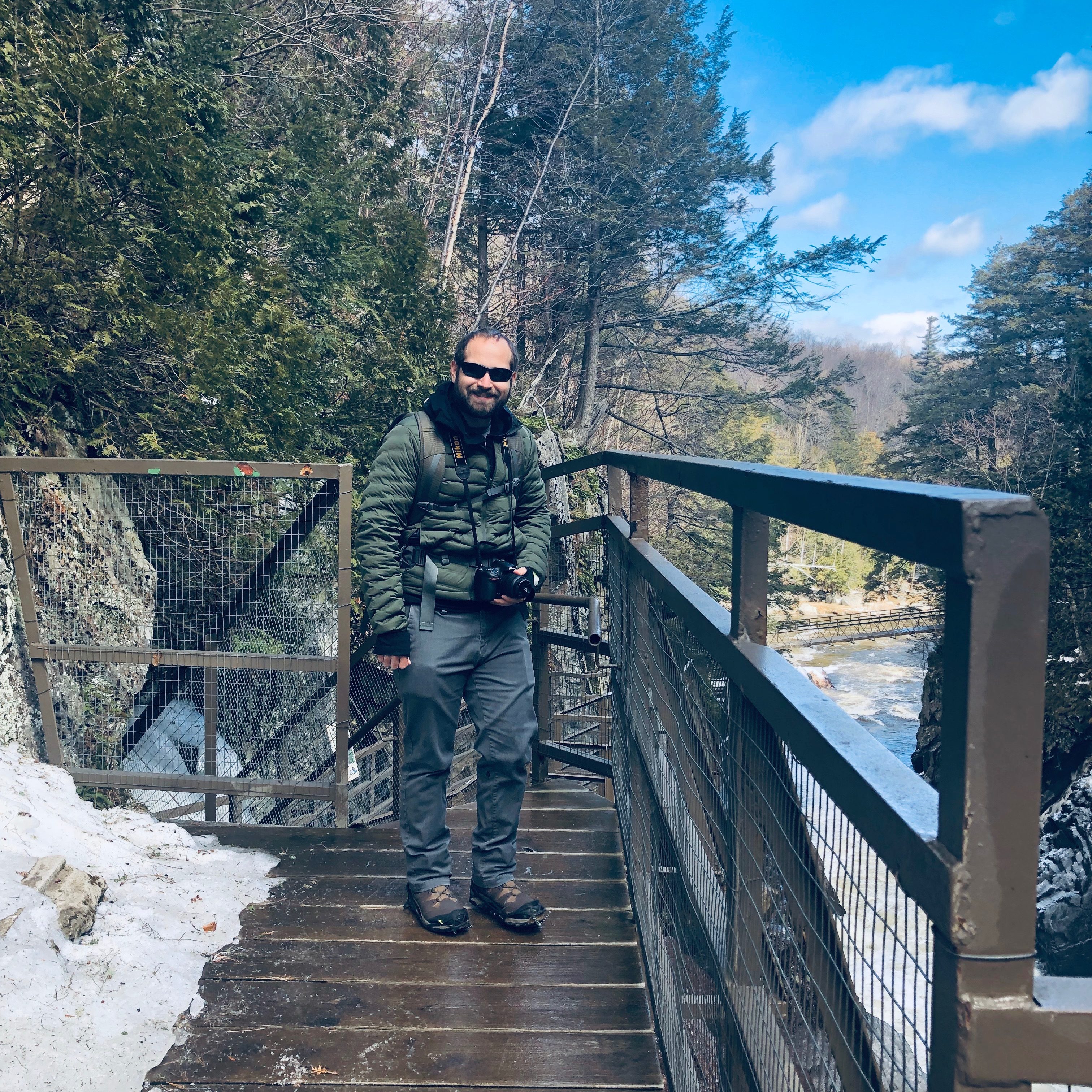
Elliot Weinthal
I am a MS student, business consultant, photographer, and entrepreneur currently researching how entrepreneurship education impacts biology students. I received my BS in biology and a minor in entrepreneurship from the University of Central Florida and plan to continue doing discipline based education research with an emphasis on entrepreneurship and biology students. My goal is to inspire technological entrepreneurship in life-science students and push to embed entrepreneurship education within STEM curriculum.
Make a one-time donation
Make a monthly donation
Make a yearly donation
Choose an amount
Or enter a custom amount
Your contribution is appreciated.
Your contribution is appreciated.
Your contribution is appreciated.
DonateDonate monthlyDonate yearly ScopeSnap